

Date published: TBC
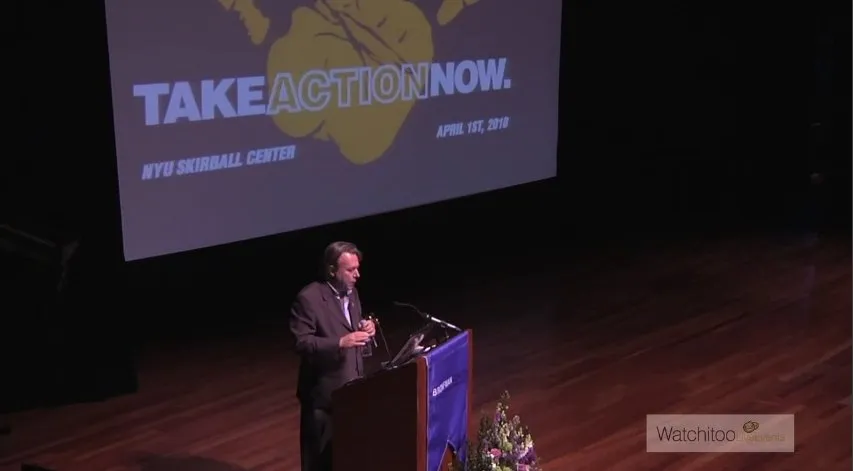
Hitchens argues that the faith is not only untrue but also immoral. He challenges the idea that morality comes from the supernatural and instead suggests that it arises from human solidarity and predates all forms of monotheism.
Date published: TBC
What you get with genocide is what Harold Abrams says in Chariots of Fire about anti-Semitism: you catch it on the edge of the remark, you catch it in the fugitive remark, the euphemism, the shame-faced denial — but you catch it in the end, and it’s worth training yourself to look out for the symptoms, I think.

Date published: TBC
Hitchens challenges the notion that belief in a deity is necessary for morality and intellectual freedom. Drawing on historical examples, such as the Vatican's recent retraction of Limbo and papal apologies for past injustices, the speaker argues that religious beliefs often lead to moral tyranny and violence. He asserts that theism, unlike deism, imposes a totalitarian view of existence that undermines human autonomy.

Date published: TBC
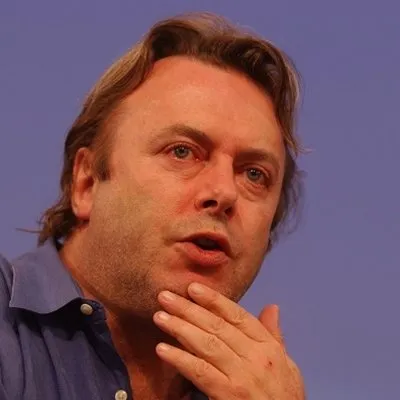
"I'd like to assure you, ladies and gentlemen, brothers and sisters, comrades and friends, that that isn't the best that Frank can do. He ended with that pious hope. He must indeed hope it isn't. I've seen him do better in his 20 minutes. He barely got his trousers off, as a matter of fact, before he had to sit down because he didn't get beyond deism."
Date published: TBC
A thoughtful dissection of Orwell’s critical perspective, this book emphasizes his unwavering commitment to honesty and the consequences of ideological blind spots, promoting a message of vigilance and ethical clarity in an increasingly complex world

Date published: TBC
A compelling talk on the nature and implications of faith versus reason. From historical instances of religious oppression, Hitchens highlights the significance of secular principles inherent in the U.S. Constitution, and urges the audience to cherish their freedoms. He critiques the nostalgia often expressed by former believers and asserts that humanity has the power to create meaning without religion. He invites listeners to reflect on the deeper moral obligations and implications of anti-theism in contemporary society.

Date published: TBC
Hitchens addresses the moral implications of theism, questioning the morality of a god who selectively intervenes in human affairs. He argues for a morality based on humanistic and secular principles rather than religious doctrines, critiquing religious moral authority as often being aligned with historical atrocities. Hitchens champions intellectual freedom and the pursuit of knowledge through science as pathways to understanding reality, free from religious oversight.

Date published: TBC
Christopher Hitchens delves into the critical examination of theism, contrasting it with deism, and explores the moral questions that arise in the absence of a divine being. Hitchens' thought-provoking arguments challenge traditional religious beliefs and highlight the importance of secular morality.

Date published: TBC
A thought-provoking speech and debate sequence that delves into the merits and drawbacks of religious belief through a philosophical and ethical lens. Christopher, using sharp wit and critical reasoning, challenges the audience to reconsider the foundations of faith and the implications of divine design. He draws on historical examples, scientific insights, and theological critique to argue against the rationality of faith and the moral implications of religious dogma.

Date published: TBC
Christopher Hitchens challenges the audience with a provocative assertion about the dangerous liaisons between religious extremism and political power. Highlighting a shocking instance, he describes how a revered religious leader has openly embraced neo-fascists, denying historical genocides while sanctioning ancient myths as truths.
Date: October 2, 2007
Hitchens argues that the faith is not only untrue but also immoral. He challenges the idea that morality comes from the supernatural and instead suggests that it arises from human solidarity and predates all forms of monotheism.
Date: TBC
What you get with genocide is what Harold Abrams says in Chariots of Fire about anti-Semitism: you catch it on the edge of the remark, you catch it in the fugitive remark, the euphemism, the shame-faced denial — but you catch it in the end, and it’s worth training yourself to look out for the symptoms, I think.
Date: September 9, 2008
Hitchens challenges the notion that belief in a deity is necessary for morality and intellectual freedom. Drawing on historical examples, such as the Vatican's recent retraction of Limbo and papal apologies for past injustices, the speaker argues that religious beliefs often lead to moral tyranny and violence. He asserts that theism, unlike deism, imposes a totalitarian view of existence that undermines human autonomy.
Date: August 9, 2009
"I'd like to assure you, ladies and gentlemen, brothers and sisters, comrades and friends, that that isn't the best that Frank can do. He ended with that pious hope. He must indeed hope it isn't. I've seen him do better in his 20 minutes. He barely got his trousers off, as a matter of fact, before he had to sit down because he didn't get beyond deism."
Date: TBC
A thoughtful dissection of Orwell’s critical perspective, this book emphasizes his unwavering commitment to honesty and the consequences of ideological blind spots, promoting a message of vigilance and ethical clarity in an increasingly complex world
Date: TBC
A compelling talk on the nature and implications of faith versus reason. From historical instances of religious oppression, Hitchens highlights the significance of secular principles inherent in the U.S. Constitution, and urges the audience to cherish their freedoms. He critiques the nostalgia often expressed by former believers and asserts that humanity has the power to create meaning without religion. He invites listeners to reflect on the deeper moral obligations and implications of anti-theism in contemporary society.
Date: December 18, 2008
Hitchens addresses the moral implications of theism, questioning the morality of a god who selectively intervenes in human affairs. He argues for a morality based on humanistic and secular principles rather than religious doctrines, critiquing religious moral authority as often being aligned with historical atrocities. Hitchens champions intellectual freedom and the pursuit of knowledge through science as pathways to understanding reality, free from religious oversight.
Date: March 3, 2009
Christopher Hitchens delves into the critical examination of theism, contrasting it with deism, and explores the moral questions that arise in the absence of a divine being. Hitchens' thought-provoking arguments challenge traditional religious beliefs and highlight the importance of secular morality.
Date: TBC
A thought-provoking speech and debate sequence that delves into the merits and drawbacks of religious belief through a philosophical and ethical lens. Christopher, using sharp wit and critical reasoning, challenges the audience to reconsider the foundations of faith and the implications of divine design. He draws on historical examples, scientific insights, and theological critique to argue against the rationality of faith and the moral implications of religious dogma.
Date: TBC
Christopher Hitchens challenges the audience with a provocative assertion about the dangerous liaisons between religious extremism and political power. Highlighting a shocking instance, he describes how a revered religious leader has openly embraced neo-fascists, denying historical genocides while sanctioning ancient myths as truths.
